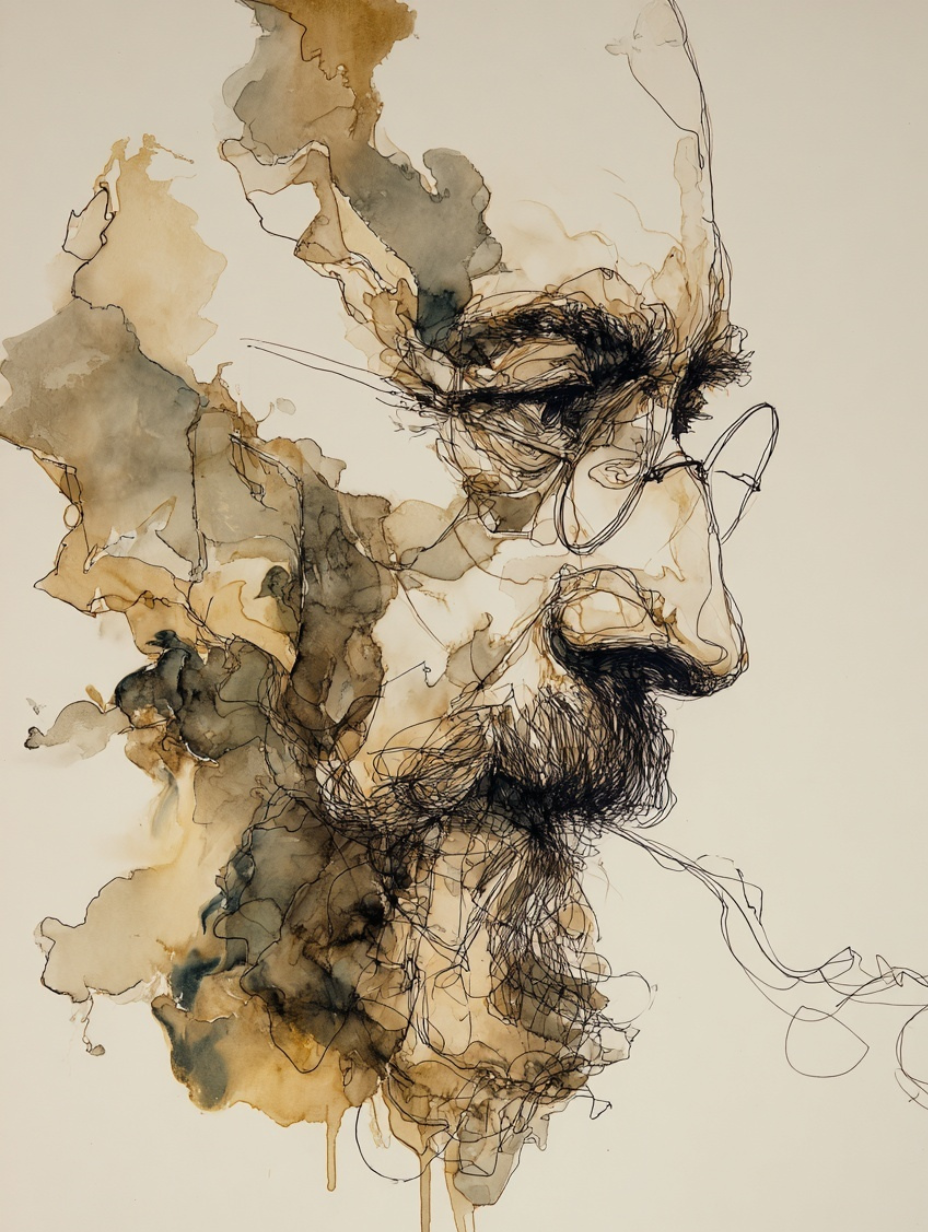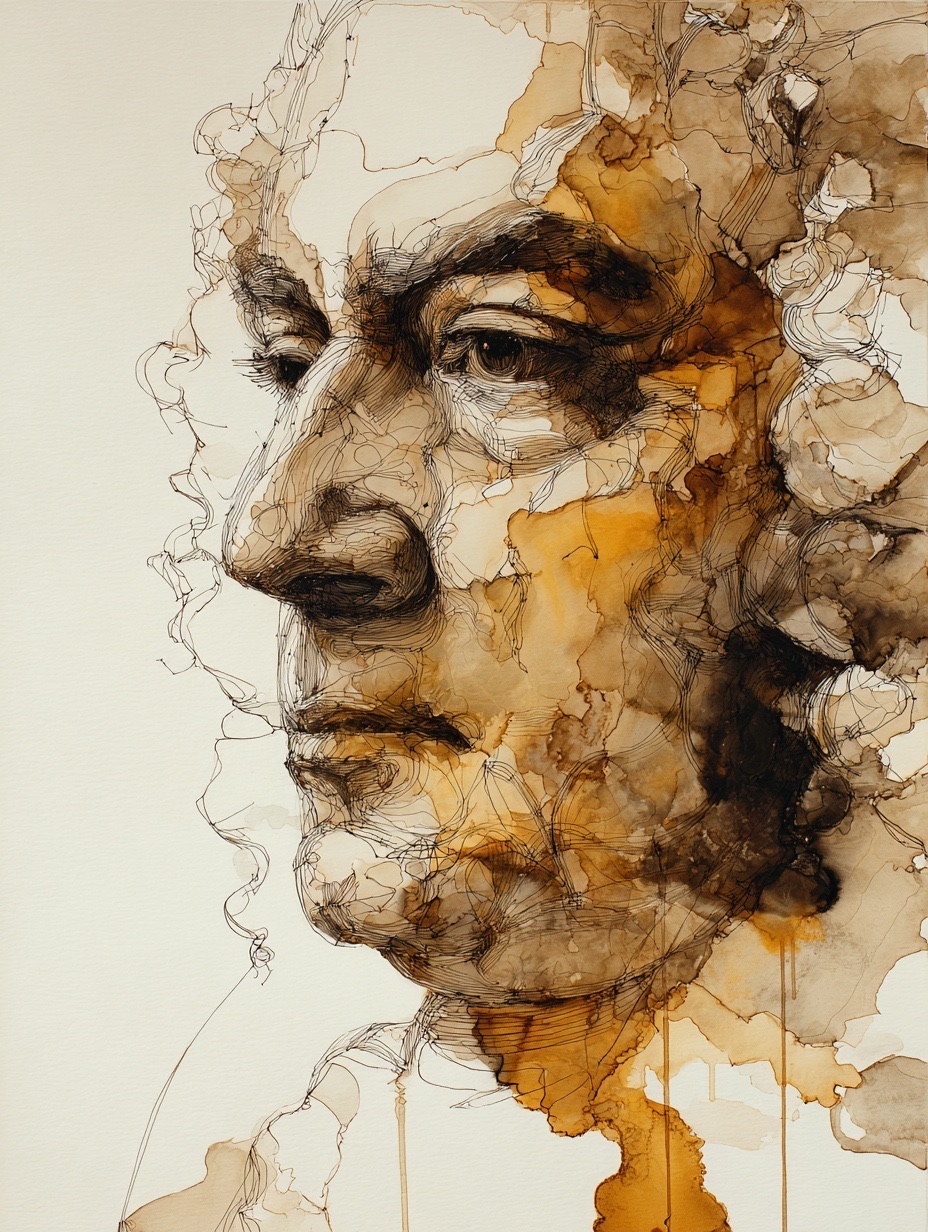
Johann Sebastian Bach

1685 – 1750

Johann
Sebastian Bach

The architecture of thought made audible. Bach had twenty children, held a day job as a church organist for most of his life, and was largely forgotten for nearly a century after his death. The counterpoint holds you in place while your mind moves freely through it.
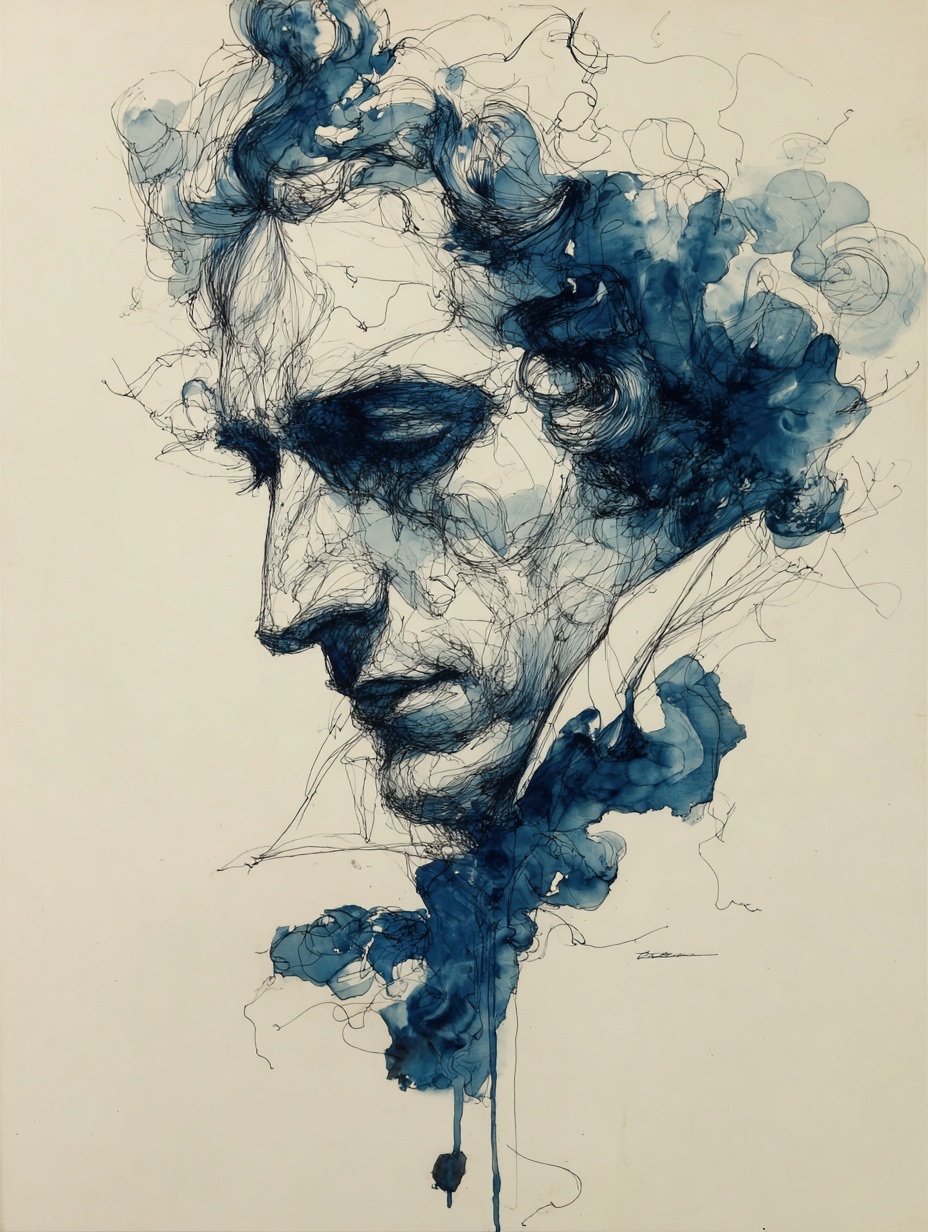
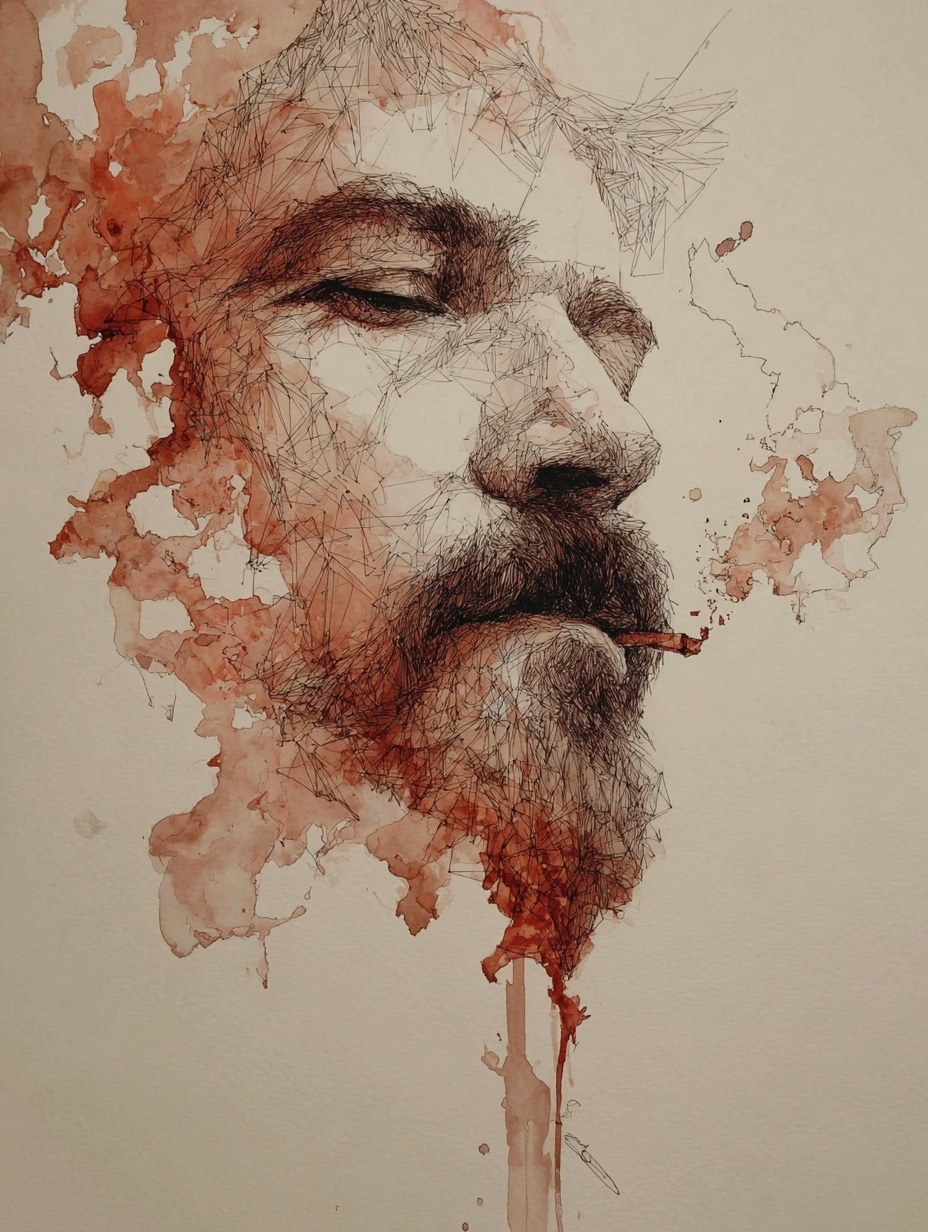
Frédéric Chopin

1810 – 1849

Frédéric
Chopin

Music for the small hours. Chopin wrote almost exclusively for solo piano, rarely left Paris, and composed his most celebrated nocturnes while chronically ill in a Majorcan monastery in the rain. His nocturnes don’t accompany work — they make solitude feel inhabited.

Claude Debussy

1862 – 1918

Claude
Debussy

The composer who made impressionism sound like water. Debussy was thrown out of the Paris Conservatoire for breaking too many rules, then spent the rest of his life proving he was right. You stop noticing it’s playing and start noticing you can think more clearly.

Erik Satie

1866 – 1925

Erik
Satie

The inventor of music that knows when to disappear. Satie owned seven identical velvet suits, ate only white food for a period, and called his compositions things like “Three Pieces in the Shape of a Pear.” He understood ambient before anyone had a word for it — music made to be present without demanding attention.